
The Mushing Bishop

Last year, I received an email from Alaska.
“Greeting from Mt Verstovia Lodge No. 18 in Sitka, Alaska. I have a strange question for you. Peter Rowe? We found a resolution from your lodge in our storage room.”
Peter Rowe. The name meant nothing to me.
I walked into our dining room and looked at the composite photographs of our Past Masters. There he was: “PETER T. ROWE, W.M. 1886-7-8-9-90.” Five consecutive years as Worshipful Master.
I’d walked past that portrait a hundred times. Just another face in a frame. Just another name on a list.
But someone in Sitka, Alaska, 3,000 miles away, had a framed document with his name on it. And they wanted to know if we wanted it back.
I started digging.
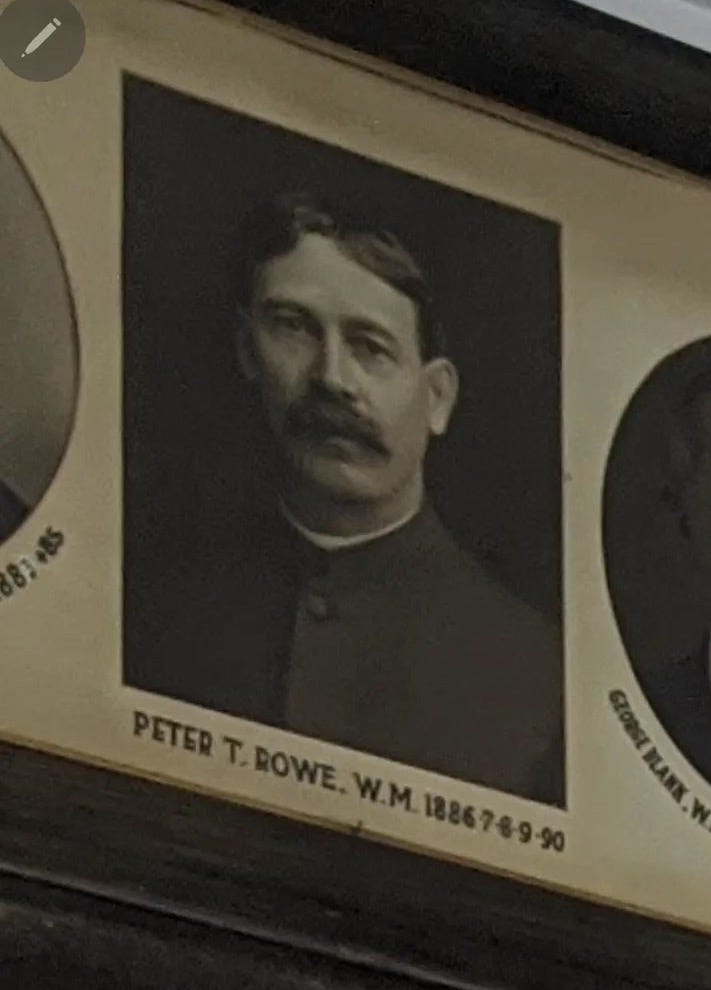
Peter T. Rowe portrait from the lodge dining room - “W.M. 1886-7-8-9-90”]
The Name on the Wall
Rowe came to Sault Ste. Marie in 1882, the same year Bethel Lodge received its charter. He was 26 years old, newly appointed rector of St. James Episcopal Church. Whether he was a charter member of the lodge, I haven’t yet confirmed, but the coincidence is hard to ignore.
For thirteen years, he served both his church and his lodge. He was elected Worshipful Master in 1886 and served five consecutive terms. In our archives, I found a letter he wrote in December 1889, apologizing for missing one of his final meetings: “unexpected trouble having attacked my family, which has left me almost unable to leave.” He closed with, “May the Divine blessing rest upon you all.”
When he stepped down in 1890, the lodge prepared a resolution of thanks. It praised his “Wisdom, Knowledge and Grace” and noted that “other important Duties” had caused him to lay down the gavel. What those duties were, the resolution doesn’t say. He remained rector of St. James for five more years.
Then, in 1895, he was elected the first Missionary Bishop of Alaska.
I found another letter in our files, this one from a lodge in the Western Upper Peninsula, dated around 1896 or 1897. It mentioned “a brother of your lodge, P.T. Rowe, who has been troubled by a difficult winter.” They had provided aid of twenty-five dollars and were asking if Bethel Lodge wished to contribute.
The journey from Sault Ste. Marie to Alaska wasn’t a straight line. It was a grueling overland trek through the Upper Peninsula, then west. The “difficult winter” was the winter Rowe was en route to his new life. And when he passed through the Western UP, the brothers there took care of him.
Even on the road to Alaska, the fraternity found him.
But who had he become? Why did a lodge in Sitka have a document with his name on it, 130 years later?
I typed his name into a search engine.
The Mushing Bishop
They called him “The Mushing Bishop.”
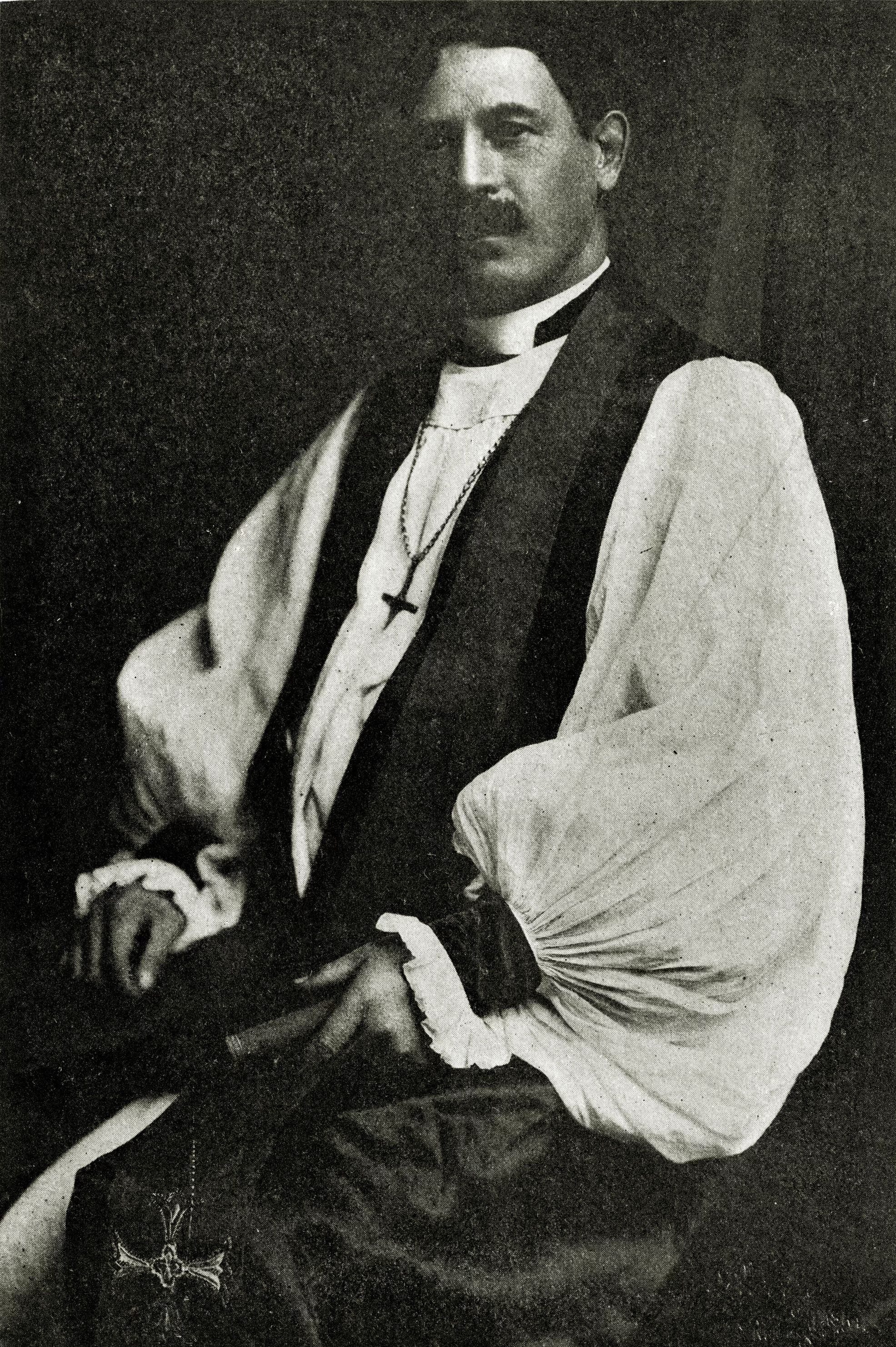
Bishop Rowe in episcopal vestments
The diocese covered 586,400 square miles, larger than any in the Anglican Communion, with only three small missions scattered across it. To reach his flock, Rowe had to mush by dogsled over distances as far as from Seattle to San Francisco. No roads. No vegetation. No sign of life between stations.
He traveled 2,000 miles by dogsled every winter. He learned to build a fire in a blizzard, to pick off wolves with a rifle, to keep his socks dry at 78 below zero.
Time magazine, December 1939: Rowe had “bunked with Rex Beach and Jack London, taught the latter about Huskies.” He estimated he had traveled “farther than any other man ever traveled in Alaska.”
Time magazine, December 1941: At 85, he was still making mission tours to the Arctic. He had “four times refused easier bishoprics in the States.” When asked about his work, he said: “White people make me a little tired. They are ready to take everything, and give nothing.”
He preached his first Alaskan sermon in Cy Marx’s Fairbanks saloon. Marx, a Jewish saloon keeper, started the collection plate with a ten-dollar bill and raised $1,400. Tex Rickard, who ran a saloon and gambling house in Nome, helped raise money for the Episcopal hospital in Circle City.
On his first trip to Alaska, Rowe crossed the Chilkoot Pass. When a snowslide killed 78 men, he searched for survivors and helped dig out bodies. He carried news clippings to remote trappers who had no other contact with the outside world. He pulled teeth. He buried frozen prospectors he found on the trail.
The Cordova Times ran a retrospective just last year, recounting his decades of service.
Time magazine wrote about him. Twice. The New York Times interviewed him. There’s an entire biography: The Man of Alaska: Peter Trimble Rowe.
Our Past Master had become one of the most celebrated missionaries of his era.
And we had forgotten him.
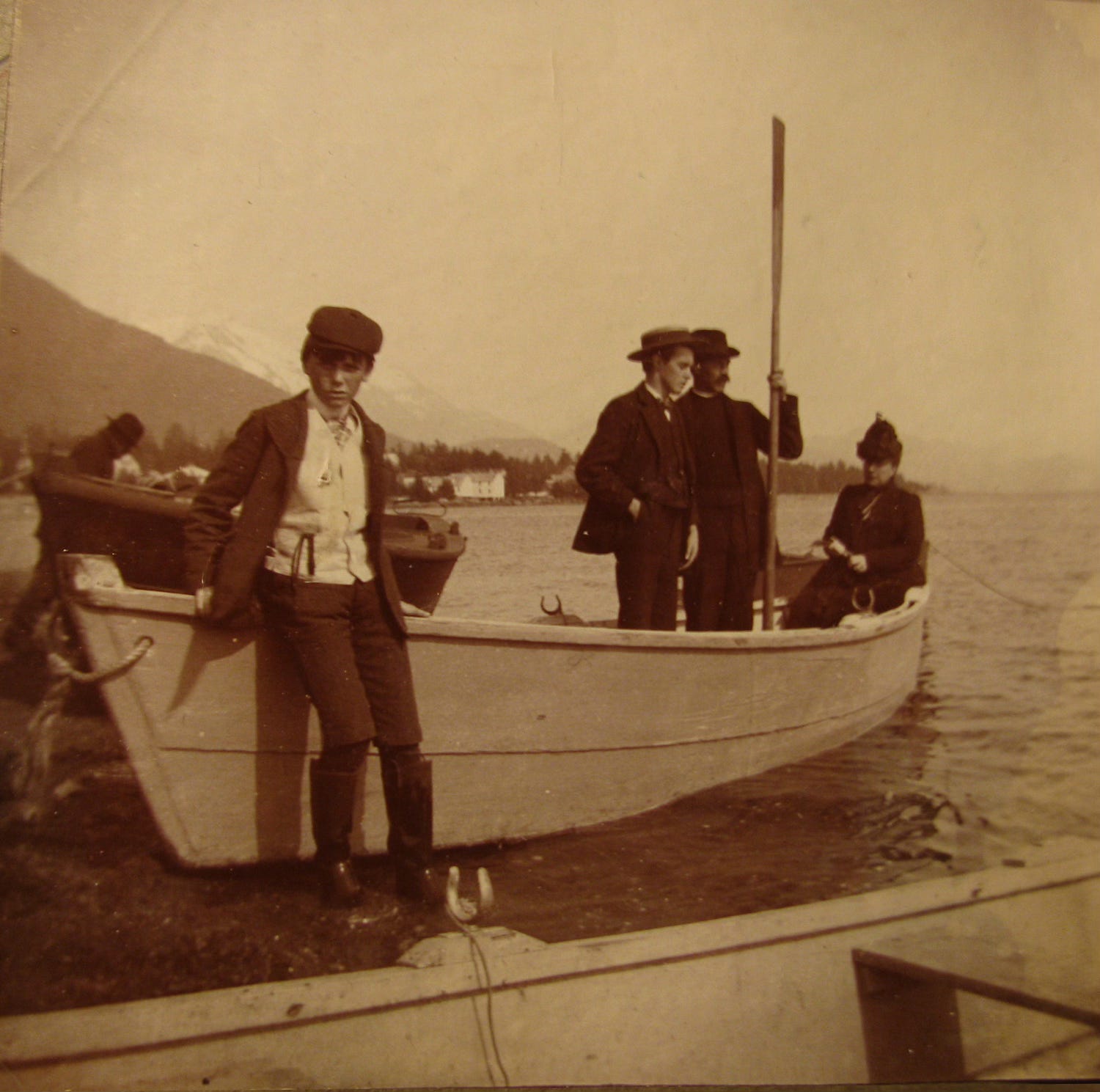
Rowe and family in Sitka, circa 1897 - Rev. Rowe is in the boat holding the paddle
The Certificate Comes Home
I wrote back to the brother in Sitka.
“We would love to have it. We are preparing for our 150th anniversary in 2032.”
He replied:
“We have no idea how we ended up with it. Apparently someone thought it was Bethel Alaska and today when we were cleaning we realized it was for a completely different state, lol.”
He continued:
“We used to have a very active historian that collected everything Alaskan. Sadly he is not around anymore... I am happy that we were cleaning out a back closet last night and pulled it out so that we could read it and discover it is not Alaskan and get it headed back to its home. It has been on quite the journey, wish we knew more about it.”
It had been on quite a journey.
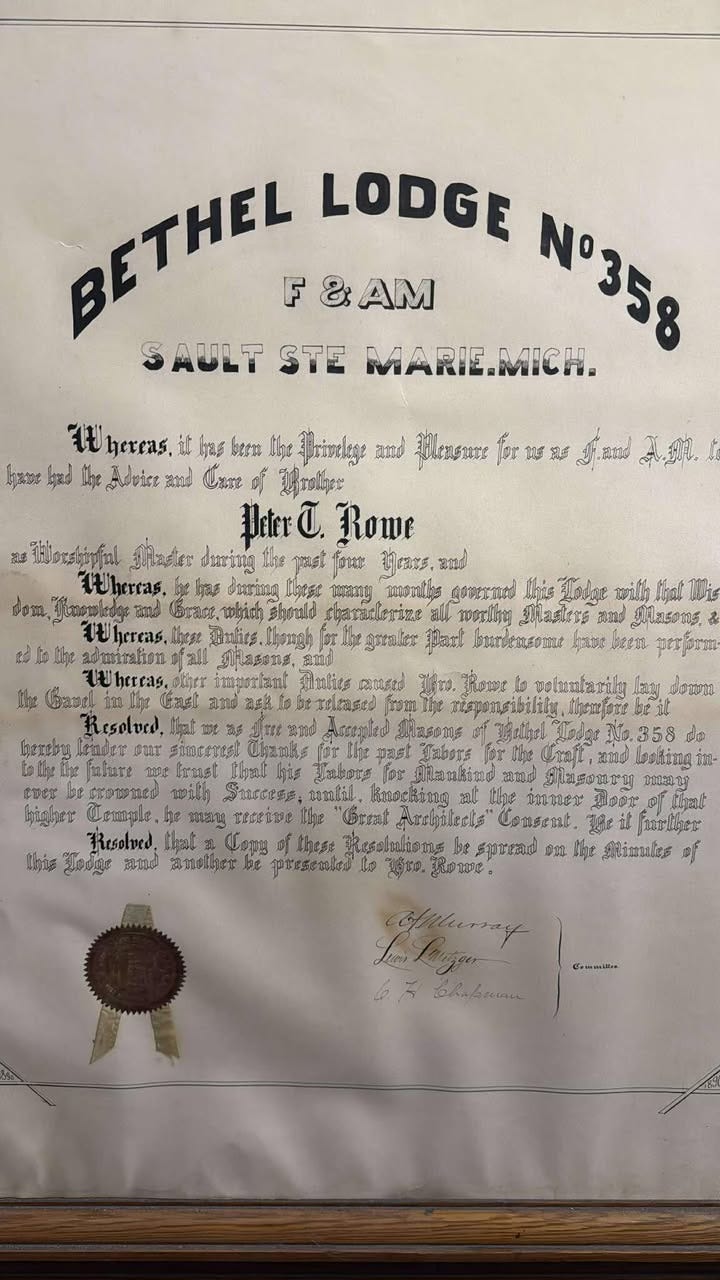
The document was our resolution of thanks, the same one referenced in our files. The ink faded but legible. The signatures of C.F. Murray, Lewis Metzger, and C.H. Chapman still clear. And there, at the bottom, the wax seal of Bethel Lodge No. 358.
Rowe carried that certificate from Michigan to Alaska. He kept it through the Gold Rush, through two world wars, through 46 years of ministry in the Arctic. When he died in 1942, it was among his effects.
He is buried in front of St. Peter’s by-the-Sea, the church he built with his own hands in Sitka. His wife Dora and two of their sons rest beside him. The certificate surfaced not far from where he is interred.
For decades it sat in a closet. Almost thrown away.
Then a brother decided to clean house, and 130 years after it was written, it finally came home. Once reframed for preservation, it will hang in our lodge again, beside the portrait of the man who carried it across a continent. A copy of this story will be preserved with it.
Threads Still to Pull
There are mysteries still unsolved.
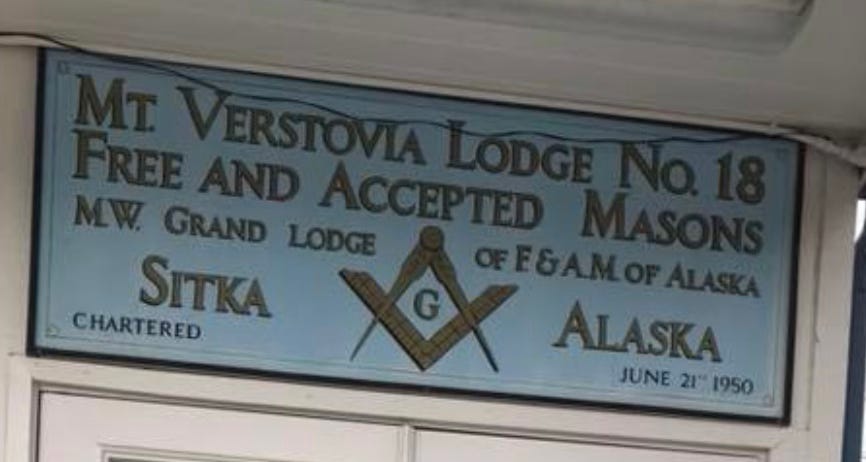
Mt. Verstovia Lodge No. 18 in Sitka was chartered decades after Rowe died. So how did our certificate end up in their care? Was there another lodge in Sitka, or elsewhere in Alaska, where the Bishop participated during his travels? Did someone donate his effects to the nearest Masonic lodge after he passed? That thread is waiting to be pulled.
There’s another artifact in our safe: a gavel carved from whale bone, with raw Alaska gold nuggets embedded in the head. “Bethel 358, A.F. & A.M.” The mounting board reads: “Presented by C.A. Vogel.”
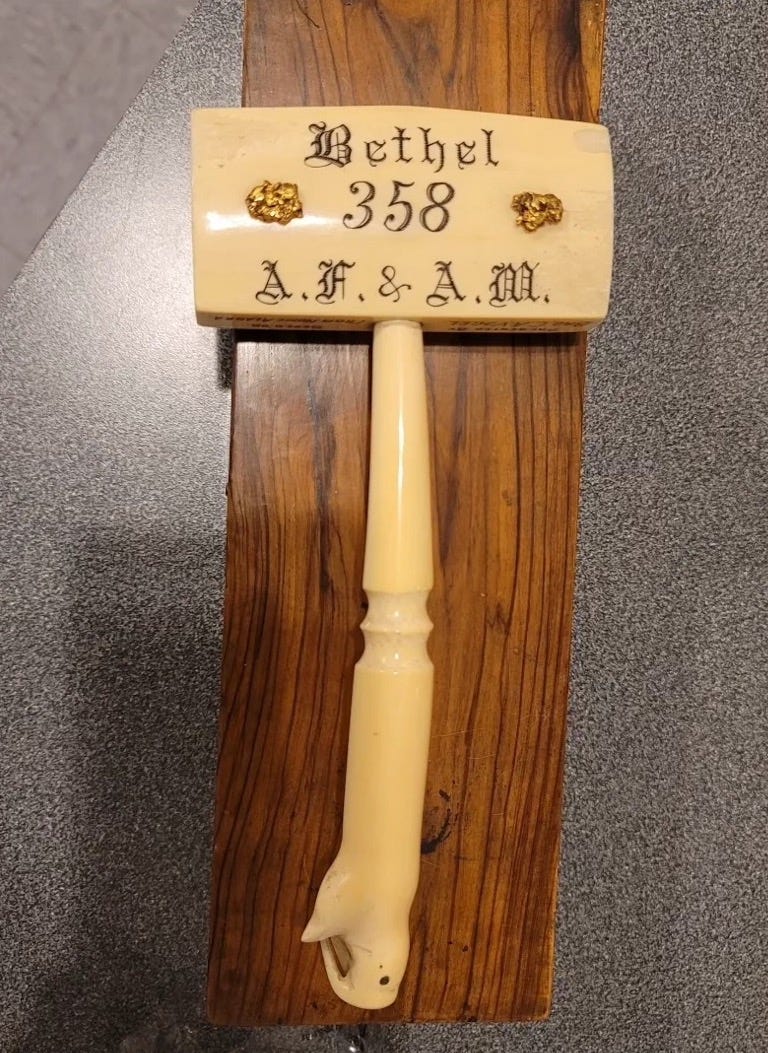
Who was Vogel? I don’t know. The name doesn’t appear in our membership rolls or in the minutes I’ve digitized so far. Another mystery. Another thread.
Why This Matters
I don’t tell this story to thump our chest about a famous Past Master. That’s not the point.
Peter Trimble Rowe was just a name on the wall until an email arrived from Alaska and I started pulling the thread. And if a man who knew Jack London, who appeared in Time magazine, who became one of the great missionaries of his era... if he could be forgotten, what about the brothers who weren’t Past Masters? The men whose names appear only in the minutes, in the dues ledgers, in the faded signatures on old petitions?
They lived lives too. They had families. They traveled. They built things. They carried Bethel Lodge with them in ways we’ll never know unless we look.
I want to know their stories. Not so we can brag about our history, but so we can feel connected to it. To know the men who came before us is to extend our fellowship backward in time, and to carry them forward. They were counting on us. They hoped the lodge would endure. They trusted that someone, someday, would remember.
We should know more about them.
Bethel Lodge turns 143 on January 25th. We’re preparing for our 150th in 2032, and we’re collecting stories. Did your family have Masons in it? Do you remember the dinner dances at the Masonic Hall? Do you have photos, letters, or memories to share? Do you know who C.A. Vogel was? Do you know anything about Masonic lodges in Alaska that Rowe might have visited?
These men were counting on us. Help us remember them.
Rob Linn, PM
Secretary Bethel Lodge No. 358, F. & A.M.
contactbethel358@gmail.com
For the Researcher: Peter Trimble Rowe and Bethel Lodge No. 358
An Expanded Record with Open Questions
The narrative above tells the story as I discovered it. What follows is a more detailed accounting of what we know, what we don’t know, and what questions remain for future researchers.
Biographical Timeline
November 20, 1856: Peter Trimble Rowe born in Meadowvale, Toronto Township, Ontario, Canada, son of Peter Rowe and Mary Elizabeth Trimble.
1878: Earned Bachelor’s degree from Trinity College, Toronto. Ordained to the diaconate by Frederick Dawson Fauquier, Bishop of the Diocese of Algoma.
1880: Earned Master’s degree from Trinity College. Ordained to the priesthood.
1878-1882: Served as missionary at Garden River, Algoma, Canada.
June 1, 1882: Married Dora H. Carry. They would have two sons, Cyril and Leo.
1882: Appointed rector of St. James Episcopal Church, Sault Ste. Marie, Michigan. This is the same year Bethel Lodge No. 358 received its charter (January 25, 1882).
1886-1890: Served as Worshipful Master of Bethel Lodge No. 358 for five consecutive years.
December 2, 1889: Wrote letter to Bethel Lodge apologizing for missing a meeting due to family troubles.
Circa 1890: Lodge prepared resolution of thanks upon Rowe stepping down as Worshipful Master.
1890-1895: Continued as rector of St. James Episcopal Church.
1895: Earned Doctor of Divinity from Trinity College, Toronto. Elected first Missionary Bishop of Alaska.
November 30, 1895: Consecrated as Bishop by William Croswell Doane, Ozi William Whittaker, and Thomas A. Starkey.
1895-1896: Traveled from Michigan to Alaska. The letter from the Western UP lodge referencing his “difficult winter” likely dates to this period.
1896: Arrived in Alaska. Crossed the Chilkoot Pass on his first visit.
1899: Ground broken for St. Peter’s by-the-Sea Episcopal Church in Sitka. First service held Thanksgiving Day.
1905: Built family residence (the See House) behind St. Peter’s in Sitka, now on the National Register of Historic Places.
May 22, 1914: First wife Dora died.
October 21, 1915: Married Rose H. Fullerton. They would have three sons.
September 9, 1936: Interviewed by The New York Times at the Hotel Gramercy in New York.
December 4, 1939: Featured in Time magazine, “Religion: Mushing Bishop.”
December 1, 1941: Featured in Time magazine, “Religion: Icebox Bishop.”
June 1, 1942: Died in Victoria, British Columbia, at age 85.
Burial: Ashes interred at St. Peter’s by-the-Sea Episcopal Church Cemetery, Sitka, Alaska, in front of the church. Wife Dora and sons Cyril and Leo also interred there.
The Masonic Record
What We Know
Rowe served as Worshipful Master of Bethel Lodge No. 358 from 1886 to 1890, five consecutive years.
The lodge prepared a formal resolution of thanks upon his departure, praising his governance and noting that “other important Duties” caused him to step down.
Rowe kept this resolution for the rest of his life. It traveled with him to Alaska and remained among his effects until his death in 1942.
The resolution surfaced at Mt. Verstovia Lodge No. 18 in Sitka, Alaska, in late 2025 and was returned to Bethel Lodge.
What We Don’t Know
Was Rowe a charter member of Bethel Lodge? He arrived in Sault Ste. Marie in 1882, the same year the lodge was chartered. The coincidence suggests possible involvement, but I have not yet confirmed his presence on the charter roll.
When exactly was Rowe raised? His Masonic career before becoming Worshipful Master in 1886 is not yet documented in my research.
What were the “other important Duties” referenced in the resolution? The resolution does not specify. He remained rector of St. James for five more years after stepping down as Master, so this was not a reference to his departure for Alaska.
Did Rowe participate in Masonic lodges in Alaska? As a prominent figure in Sitka for decades, and as someone who clearly valued his Masonic connections (he kept the certificate for 50+ years), it seems likely he would have visited or affiliated with lodges in Alaska. No documentation has yet been found.
How did the certificate end up at Mt. Verstovia Lodge No. 18? Mt. Verstovia Lodge No. 18 was chartered after Rowe’s death in 1942. Possible explanations:
Rowe’s effects were donated to the nearest Masonic lodge after his death
A predecessor lodge in Sitka held the certificate and it transferred when Mt. Verstovia was chartered
The lodge’s late historian acquired it through unknown channels
Someone mistook “Bethel” for “Bethel, Alaska” and donated it thinking it was local
What lodges existed in Sitka or Alaska during Rowe’s lifetime? Research into the history of Alaska Freemasonry during 1895-1942 may reveal lodges Rowe could have visited.
The Western UP Letter
What We Know
A letter from a lodge in the Western Upper Peninsula, dated around 1896 or 1897, referenced “a brother of your lodge, P.T. Rowe, who has been troubled by a difficult winter.” The lodge had provided aid of twenty-five dollars and inquired whether Bethel Lodge wished to contribute.
What We Don’t Know
Which lodge sent the letter? I did not photograph the letter and am working from memory. It was a lodge in the Western UP, possibly Marquette, Negaunee, or Manistique. The original letter remains in our archives and should be located and documented.
What was the nature of the “difficult winter”? Given the timing (1896-1897) and Rowe’s election as Bishop in late 1895, this likely refers to his journey westward to Alaska. But the specifics are unknown.
Did Bethel Lodge contribute? I have not yet found documentation of our response.
The C.A. Vogel Gavel
What We Know
A gavel carved from whale bone (or walrus ivory) with raw placer gold nuggets embedded in the head
Inscribed “Bethel 358, A.F. & A.M.”
The underside inscribed “Presented by C.A. Vogel”
Lodge oral tradition holds it was “sent from Alaska”
The craftsmanship is consistent with Nome Gold Rush-era Inuit artisan work (circa 1899-1905)
What We Don’t Know
Who was C.A. Vogel? The name does not appear in Bethel Lodge membership rolls I have reviewed. He may have been:
A sojourning Mason from another jurisdiction
A member whose records I have not yet located
When was the gavel presented? No date is inscribed. No documentation of its receipt has been found in the minutes digitized so far.
Is there any connection to Peter Trimble Rowe? Both artifacts connect Bethel Lodge to Alaska during the Gold Rush era. Rowe was in Nome during exactly the period when such gavels were being made. However, no direct evidence links Rowe to the gavel.
What is the exact material? The gavel appears to be whale bone or walrus ivory. Expert examination could confirm.
Open Research Questions
Locate and photograph the Western UP letter in the Bethel Lodge archives.
Search charter roll of Bethel Lodge No. 358 (January 25, 1882) for Peter T. Rowe’s name.
Search lodge minutes from 1882-1886 for references to Rowe’s initiation, passing, and raising.
Search lodge minutes from circa 1890 for the formal presentation of the resolution of thanks.
Search lodge minutes for any reference to C.A. Vogel or the presentation of the Alaska gavel.
Research the history of Freemasonry in Alaska, 1895-1942. Identify lodges in Sitka, Juneau, Nome, Fairbanks, and other locations Rowe frequented.
Contact the Grand Lodge of Alaska for historical records of lodges operating during Rowe’s lifetime and any records of his visits or affiliations.
Research the history of Mt. Verstovia Lodge No. 18 and any predecessor lodges in Sitka.
Search Sitka Historical Society records for any Masonic-related materials in the Rowe collection.
Examine the Alaska Digital Archives’ Bishop Rowe photograph album (Collection SHS P841) for any Masonic imagery or references.
Obtain and review Thomas Jenkins’ biography The Man of Alaska: Peter Trimble Rowe (1943) for any Masonic references.
Search for C.A. Vogel in Nome, Fairbanks, and other Alaska Gold Rush records.
Sources Consulted
Primary Sources (Bethel Lodge No. 358 Archives)
Letter from Western UP lodge regarding P.T. Rowe, circa 1896-1897
Letter from P.T. Rowe to Bethel Lodge, December 2, 1889
Resolution of Thanks to P.T. Rowe, circa 1890 (returned from Sitka, 2025)
Past Masters composite photograph
Whale bone gavel with Alaska gold, presented by C.A. Vogel
Secondary Sources
“Religion: Mushing Bishop.” Time, December 4, 1939. https://time.com/archive/6796498/religion-mushing-bishop/
“Religion: Icebox Bishop.” Time, December 1, 1941. https://time.com/archive/6604563/religion-icebox-bishop/
“Two From Alaska Hail Plane Era.” The New York Times, September 9, 1936.
“A Calling to the Wild: Bishop Peter T. Rowe.” The Cordova Times, September 15, 2024. https://thecordovatimes.com/2024/09/15/last-frontier-days-peter-rowe/
“Peter Trimble Rowe.” Wikipedia. https://en.wikipedia.org/wiki/Peter_Trimble_Rowe
“Our History.” Episcopal Diocese of Alaska. https://episcopalak.org/about-us/history/
St. Peter’s by-the-Sea Episcopal Church, Sitka. https://stpeters-sitka.org
Jenkins, Thomas. The Man of Alaska: Peter Trimble Rowe. New York: Morehouse Gorham Co., 1943.
Historic marker, St. Peter’s by-the-Sea Episcopal Church and the See House, Sitka, Alaska.
FindAGrave memorial #38868672, Peter Trimble Rowe.
“Peter Trimble Rowe letters and portraits.” Archives and Special Collections, Consortium Library, University of Alaska Anchorage. Collection HMC-0796. https://archives.consortiumlibrary.org/collections/specialcollections/hmc-0796/
“Bishop Rowe photograph album.” Alaska’s Digital Archives, Sitka Historical Society, Collection SHS P841.
Acknowledgments
The Brothers of Mt. Verstovia Lodge No. 18, Sitka, Alaska, for recognizing the certificate and returning it to its home.
The Sitka Historical Society for preserving the Bishop Rowe collection.
The elders of Bethel Lodge No. 358 who preserved the artifacts and oral traditions that made this research possible.
This research is ongoing. If you have information about Peter Trimble Rowe’s Masonic activities, C.A. Vogel, or the history of Freemasonry in Alaska, please contact:
Rob Linn, Secretary Bethel Lodge No. 358, F. & A.M. contactbethel358@gmail.com
It’s wild how someone who accomplished such incredible achievements and feats was nearly lost to history. It puts it into stark contrast what is required to create lasting and meaningful change.
Thank you for sharing Brother.